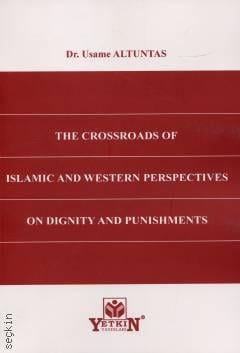
The Crossroads of Islamic and Western Perspectives on Dignity and Punishments
1. Baskı,
Ocak 2026
Kitabın Detayları
Dili:
İngilizce
Ebat:
16x24
Sayfa Sayısı:
387
Kitabın Fiyatı:
1.000,00₺
Temin süresi 2-3 gündür.
Kitabın Açıklaması
İnsan onurunun yargısal cezalar bağlamında nasıl anlaşılması gerektiği sorusunu, Batı ve İslam perspektiflerinin kesişiminde ele alıyor. Kitap, uluslararası ve bölgesel insan hakları hukukunda insan onurunun tanımının, çoğunlukla Batı merkezli (Eurocentric) bir çerçevede şekillendiğini ve bu nedenle evrensellik iddiasının eksik kaldığını savunuyor. Yazar, gerçek bir evrensellik için daha kapsayıcı ve çoğulcu bir insan onuru anlayışının gerekliliğini vurguluyor.
Kitap, insan onurunu üç boyutta kavramsallaştırıyor: temel onur (basic-dignity), onur hakkı (right-to-dignity) ve aşağılayıcı onur (degrading-dignity). Bu çerçeve, ölüm cezası, bedensel cezalar ve hapis gibi yargısal cezaların insan onuruyla ilişkisini analiz etmek için kullanılıyor. Eserin ilk bölümlerinde, Batı düşüncesinde insan onurunun tarihsel gelişimi (Stoacılıktan Hristiyanlığa ve Kant'a kadar) detaylı biçimde inceleniyor. Ardından, Birleşmiş Milletler İnsan Hakları Evrensel Bildirgesi (UDHR), Medeni ve Siyasi Haklar Sözleşmesi (ICCPR), İşkenceye Karşı Sözleşme (CAT) ve Avrupa, Amerikan ve Afrika insan hakları sözleşmeleri gibi temel uluslararası belgelerde insan onurunun ve cezanın yeri tartışılıyor.
Bölgesel insan hakları belgelerinde, Ubuntu ve Vita Digna gibi farklı kültürel onur kavramlarının nasıl yer bulduğu, ölüm cezası, bedensel cezalar ve ömür boyu hapis gibi uygulamaların insan onuruyla ilişkisi örnek davalar üzerinden analiz ediliyor. Ayrıca, İslam dünyasında insan hakları bildirgeleri ve karama (onur) kavramı detaylıca ele alınıyor.
Kitabın Konu Başlıkları

Human Dignity in Western History
Human Dignity and Punishments in The International Human Rights Instruments
Human Dignity and Judicial Punishments in Regional Human Rights Instruments
Karama and Sharia Punishments in Islam
Sharia, Human Dignity, and İnternational Law: Twail Reflections on The Al Hassan Case
Kitapla İlgili Kategoriler
Kitabın İçindekileri
TABLE OF CONTENTS
ABSTRACT
ABBREVIATIONS
LIST OF STATUTES/BILLS/LEGISLATION
LIST OF THE UN DOCUMENTS
LIST OF CASES
INTRODUCTION
– Introductory Remarks
– Statement of the Book
– Importance of the Book
– The Existing Literature
– Motivations of the Book
– Methodology and Scope
– TWAIL Approaches
– Cross–cultural–Dialogical Approach
– Legal Pluralism
– Methods
– Limitations of the Book
– Book Outline
CHAPTER 1: HUMAN DIGNITY IN WESTERN HISTORY
1.1. Introduction
1.2. General Remarks
1.3. General Features of Modern Concepts of Human Dignity
1.4. The Concepts of Human Dignity in Western History
1.4.1. Dignity as Virtue
1.4.2. Dignity as RankElevated Status
1.5. The Inherent Worth of Human Beings
1.5.1. The Stoic Account of Human Dignity
1.5.1.1. Before Stoicism
1.5.1.2. Nature and the Cosmos in Stoicism
1.5.1.3. Cicero
1.5.2. Dignity in the Christian Era
1.5.2.1. Early Christianity
1.5.2.2. Pica della Mirandola
1.5.2.3. The Contemporary Christian Concept of Human Dignity
1.5.3. Kant’s Concept of Human Dignity
1.6. Conclusion
CHAPTER 2: HUMAN DIGNITY AND PUNISHMENTS IN THE INTERNATIONAL HUMAN RIGHTS INSTRUMENTS
2.1. Introduction
2.2. The Concepts of Human Dignity
2.3. Universal Declaration of Human Rights
2.3.1. Human Dignity in the UDHR
2.3.2. Human Dignity and Punishments
2.4. International Covenant on Civil and Political Rights
2.4.1. Human Dignity in the Jurisprudence of the Human Rights Committee
2.4.1.1. Article 7: Prohibition of Torture
2.4.1.2. Article 10: Treatment of Persons Deprived of Liberty
2.5. The United Nations Convention against Torture
2.5.1. The Jurisprudence of the Committee Against Torture
2.6. Findings and Results
CHAPTER 3: HUMAN DIGNITY AND JUDICIAL PUNISHMENTS IN REGIONAL HUMAN RIGHTS INSTRUMENTS
3.1. Introduction
3.2. Basic–Dignity and Regional Human Rights Instruments
3.2.1. Ubuntu in the ACHPR and Vita Digna in the ACHR
3.3. Right–to–Dignity in Regional Human Rights Instruments
3.3.1. Absolute RightRelative Right
3.4. Right–to–Dignity in Judicial Punishments
3.4.1. Death Penalty
3.4.2. Corporal Punishment and Degrading–Dignity
3.4.2.1. Corporal Punishment in the ACHR and the ACHPR
3.4.2.1.1. Doebbler v Sudan Case
3.4.3. Imprisonment
3.4.3.1. Poor Conditions of Imprisonment
3.4.4. Life Imprisonment without Parole
3.4.4.1. Right to hope
3.4.4.2. Disproportionate Punishment
3.4.4.2.1. Constitutional and Criminal Proportionality
3.5. Is Living Instrument Doctrine Damaging to Human Dignity?
3.6. Islamic Declarations of Human Rights
3.6.1. Basic–Dignity
3.6.2. Right–to–Dignity and Degrading–Dignity
3.7. Conclusion
CHAPTER 4: KARAMA AND SHARIA PUNISHMENTS IN ISLAM
4.1. Introduction
4.2. Why Do We Need to Have an Islamic Concept of Human Dignity
4.3. Human Dignity and Islamic Concepts
4.3.1. Three Concepts of Karama
4.3.1.1. Natural Karama (Basic Dignity)
4.3.1.2. Sharia–Karama (Right–to–Dignity and Degrading Dignity)
4.3.1.3. Righteousness Karama
4.4. Sharia Punishments and Karama
4.4.1. Sharia Punishments
4.4.2. Implementation of Sharia Punishments across the Islamic World
4.4.3. Karama and Sharia Punishments
4.4.3.1. Hudud and Karama
4.4.3.1.1. The Application of Hudud Punishments
4.4.3.1.2. Sharia Punishments and Pain
4.4.3.1.3. The Aims of Sharia Punishments
4.4.3.1.4. Personality of the Offender
4.4.3.1.5. Modern Approach to Hudud Punishments
4.4.3.2. Qisas and Karama
4.4.3.3. Tazir and Karama
4.5. Conclusion
CHAPTER 5: SHARIA, HUMAN DIGNITY, AND INTERNATIONAL LAW: TWAIL REFLECTIONS ON THE AL HASSAN CASE
5.1. Introduction
5.2. Challenges of Integrating Sharia Law within the ICC Framework
5.3. Al Hassan Case
5.3.1. Overview
5.3.2. Key Actors and Their Approaches to Dignity and Punishment in Al Hassan Case
5.3.2.1. Malian State
5.3.2.2. MNLA
5.3.2.3. AQIM
5.3.2.4. Ansar Dine
5.3.2.5. People of Timbuktu
5.3.3. Charges against Mr. Al Hassan
5.4. Analysis of Judicial Reasoning
5.4.1. Prosecution and Pre–Trial Judgment
5.4.2. Defence
5.4.2.1. Islamic Law
5.4.2.2. Lawful Sanction
5.4.2.3. Legal Pluralism
5.4.3. Trial Judgment
5.4.3.1. Judge Tomoko Akane
5.4.3.2. Judge Mindua
5.4.3.2.1. Death Penalty, Flogging, and Amputation
5.4.3.2.2. Sharia Punishments in Islam
5.5. Analysis and Results
CONCLUSION
BIBLIOGRAPHY
Kitabın Fiyatı:
1.000,00₺
Temin süresi 2-3 gündür.
Bu kitaplar da ilginizi çekebilir

Türk Ceza Hukuku Mevzuatı
Berrin Akbulut, Murat Aksan
Ceza Kanunları (TCK – CMK – CGTİHK – TMK – KMK) / LMD–9
Mutlu Dinç, Çilem Bahadır

Türk Ceza Hukukuna Giriş
Nur Centel, Hamide Zafer, Özlem Yenerer Çakmut

Türk Ceza Kanunu (Cep Kitabı)
Seçkin Yayıncılık
Hakkımızda
|
Uluslararası Yayınevi Belgesi|
Kaynakça Dosyası|
Kişisel Verilerin Korunması |
Üyelik|
Siparişlerim|
İade Politikası|
İletişim