>
Hukuk Kitapları>
Borçlar Hukuku>
Borçlar Özel HukukuSözleşmeler Hukuku>
Breach of Contract and Its Remedies Under Turkish Law
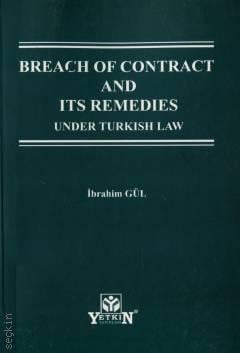
Breach of Contract and Its Remedies Under Turkish Law
1. Baskı,
Aralık 2025
Kitabın Detayları
Dili:
İngilizce
Ebat:
13x19
Sayfa Sayısı:
201
Kitabın Fiyatı:
500,00₺
Temin süresi 2-3 gündür.
Kitabın Açıklaması
Dr. İbrahim Gül'ün kaleme aldığı Breach of Contract and Its Remedies Under Turkish Law, Türk Borçlar Kanunu (TBK) çerçevesinde sözleşmenin ihlali ve bu ihlalin sonuçlarına ilişkin kapsamlı ve güncel bir başvuru kaynağıdır. Kitap, hem akademisyenler hem de uygulamacılar, avukatlar ve hukuk öğrencileri için Türk sözleşme hukukunun temel ilkelerini ve uygulamadaki güncel sorunları sistematik bir şekilde ele almaktadır.
Yazar, önsözde belirttiği üzere, eserin en önemli farkı, TBK'nın 112-126. maddeleri başta olmak üzere, sözleşmenin ihlali ve sonuçlarına dair tüm güncel yaklaşımları ve tartışmaları derinlemesine ve karşılaştırmalı olarak incelemesidir. Kitap, yalnızca teorik açıklamalarla yetinmeyip, uygulamada karşılaşılan sorunlara ve çözüm yollarına da ışık tutmaktadır. Ayrıca, kitap Türk hukukundan verilen örneklerle ve Common Law karşılaştırmasıyla zenginleştirilmiştir.
Kitabın Konu Başlıkları

Sözleşme Hukukunun Temel Kavramları
Sözleşmenin İhlali
Sözleşmenin İhlalinin Hukuki Sonuçları
Alacaklının Temerrüdü
Cezai Şart, Kapora ve Cayma Parası
Kitapla İlgili Kategoriler
Kitabın İçindekileri
PREFACE
SOME ABBREVIATIONS USED IN REFERENCE
CHAPTER 1: BASIC CONCEPTS OF CONTRACT LAW RELATED TO BREACH OF CONTRACT AND ITS REMEDIES
1.1. General Principles of Contract Law
1.2. What Is the Contract Under Turkish Law?
1.3. What Are the Elements of a Valid Contract
1.4. Interpretation of Contracts
1.5. Obligation and Obligational Relationship
1.6. Act of Performance and Its Types
1.6.1. Types of Acts of Performance
1.6.1.1. In Terms of Conduct: Positive and Negative Act of Performance
1.6.1.2. In Terms of Performance Period: Instantaneous, Continuous, and Periodic Acts of Performance
1.6.1.3. Divisible and Indivisible Acts of Performance
1.7. Sources of Obligation, Tort Liability and Contract Law
CHAPTER 2: BREACH OF CONTRACT
2.1. General Framework
2.2. Fault–based ImpossibilityNon–Performance of Contract
2.3. Improper Performance of ContractDefective Performance
2.4. Debtor’s Default: Delay for Performance
2.5. Non–liability Agreement
2.6. Liability of Vicarious Performance
2.7. Hardship
2.8. Force Majeure
2.9. Impossibility of Performance and Frustration
2.10. No Classification Based on Material–Minor Breach of Contract
CHAPTER 3: LEGAL CONSEQUENCES OF BREACH OF CONTRACT
3.1. General Framework
3.2. Specific Performance
3.3. Damages
3.3.1. Types of Damage
3.3.2. Positive and Negative Damage
3.3.3. Actual Damage and Loss of Profit
3.3.4. Material and Non–pecuniary Damage
3.3.5. Liquidated Damages
3.3.6. Punitive Damages
3.4. Damages For Non–performance and Improper Performance
3.5. Legal Consequences of the Debtor’s Default
3.5.1. In General
3.5.2. Specific Performance and Damages Arising from Delayed Performance
3.5.3. Liability for Fortuitous Events
3.5.4. Interest and Default Interest
3.5.5. Further Damages
3.5.6. Legal Consequences of the Debtor’s Default in the Reciprocal Contract
3.5.6.1. Specific Performance and Delayed Damages
3.5.6.2. Waive Performance and Claim for Positive Damages
3.5.6.3. Rescission of Contract and Claim for Negative Damage
3.5.7. Legal Consequences of the Debtor’s Default in a Continuous Performance Contract: Termination
3.6. Partial Default
CHAPTER 4: DEFAULT OF THE CREDITOR
4.1. General Framework
4.2. ments for the Creditor’s Default
4.3. Legal Consequences of the Creditor’s Default
4.4. Other Creditor–Related Impediments of Performance
4.5. Impossibility of Performance Caused by the Creditor
CHAPTER 5: CONTRACTUAL PENALTY, EARNEST MONEY, WITHDRAWAL FEE
5.1. Contractual Penalty
5.1.1. Legal Nature of Penalty Clause
5.1.2. Characteristics of Penalty Clause
5.1.3. Types of Penalty
5.1.3.1. Penalty in Lieu of Performance (Optional Penalty)
5.1.3.2. Penalty in Addition to Performance
5.1.3.3. Penalty to RescindTerminate
5.1.4. No ment of Actual Damage
5.1.5. Damage Exceed the Amount of the Agreed Penalty
5.1.6. Relationship Between Penalty Clause and Fault
5.1.7. Debtor’s Right to Reduction of Excessive Penalty
5.1.8. Special Position of Merchants (Article 22 TTK)
5.2. Earnest Money
5.3. Withdrawal Fee
BIBLIOGRAPHY
INDEX
Kitabın Fiyatı:
500,00₺
Temin süresi 2-3 gündür.
Bu kitaplar da ilginizi çekebilir
Satıcının Ayıptan Doğan Sorumluluğu
Simge Anaklı
İnternet Ortamında Kurulan Mesafeli Sözleşmelerde Aracı Hizmet Sağlayıcının Tüketiciye Karşı Hukuki Sorumluluğu
Elif Avcı
Sat ve Geri Kirala Sözleşmeleri
Sefa Berat Karabağ
Bayilik Sözleşmesinin Sona Ermesi ve Sonuçları
Mehmet Melih Vural
Hakkımızda
|
Uluslararası Yayınevi Belgesi|
Kaynakça Dosyası|
Kişisel Verilerin Korunması |
Üyelik|
Siparişlerim|
İade Politikası|
İletişim