HukukUluslararası HukukMilletlerarası Özel Hukuk
The Application of Online Arbitration for International Online Business to Consumer Disputes
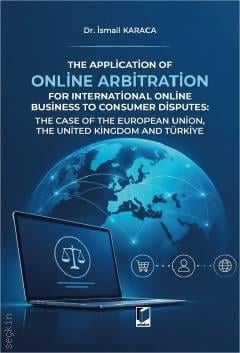
The Application of Online Arbitration for International Online Business to Consumer Disputes
The Case of the European Union, the United Kingdom and Türkiye
1. Baskı,
Ekim 2026
Kitabın Detayları
Dili:
Türkçe
Ebat:
17x25
Sayfa Sayısı:
460
Kitabın Fiyatı:
1.450,00₺
Temin süresi 2-3 gündür.
Kitabın Açıklaması
The rapid growth of international online business-to-consumer (B2C) transactions made it necessary the creation of dispute resolution mechanisms that are both accessible and efficient. This thesis investigates the potential of online arbitration as a resolution for international B2C disputes, with a particular emphasis on the EU, UK and Türkiye.
It investigates the technological infrastructures, institutional practices, and legal frameworks that facilitate online consumer arbitration in these regions. The studyuates the efficacy of online arbitration in promoting consumer confidence in cross-border ecommerce, reducing costs, and delivering timely and fair results.
The research identifies critical factors for the success of online arbitration, including arbitrability of consumer disputes, the enforceability of online arbitration agreements, consumer protection and transparency of consumer arbitration clause, through a comparative analysis.
The research investigates the arbitrability of consumer disputes by analysing the legal frameworks in the EU, UK and Türkiye that determine which disputes can be resolved through online arbitration. It also assesses the enforceability of online arbitration agreements, recognising potential legal and procedural obstacles that may hinder their implementation and acceptance.
A critical component of online arbitration is consumer protection, which involves the examination of how it can be designed to effectively protect consumer rights and interests. The transparency of consumer arbitration clauses is critically analysed to ensure that consumers are fully informed about their rights and implications of consenting to arbitration.
The results contribute to the discussion on the modernization of consumer arbitration in the digital era, providing policy recommendations for enhancing the online arbitration landscape in the EU, UK and Türkiye.
Kitabın Konu Başlıkları

Introduction
Characteristics of the ConsumerOnline Consumer in Law and Policy
Online Dispute Resolution for Cross–Border Consumer Disputes: Online Arbitration
Arbitrability of the Subject Matter Under International and National Law: Consumer Disputes
Are Business–to–Consumer Arbitration Clauses Valid Under the EU, England and Wales, and Türkiye Legal Frameworks?
Transparency of Consumer Arbitration Clauses in Online Business–to–Consumer Contracts
Conclusion: Analysis and Discussion – Drawing Out Solutions and Potential Pathways for the Future of Consumer Arbitration
Kitapla İlgili Kategoriler
Kitabın İçindekileri
TABLE OF CONTENT
ABSTRACT
5
AKNOWLEDGEMENTS
7
DEDICATION
9
LIST OF ABBREVIATIONS
11
TABLE OF CONTENT
13
CHAPTER 1:
INTRODUCTİON
I. Research Background
19
II. Research aims and questions
29
III. Research Methodologies
29
IV. Outline and Structure of Thesis
32
CHAPTER 2:
CHARACTERİSTİCS OF THE CONSUMERONLİNE CONSUMER – IN LAW AND POLİCY
I. Introduction
33
II. The Importance of Consumer Protection
33
A. Historical Evolution of the European Union Consumer Policy
33
B. Justification of Consumer Protection
43
III. The Notion of Consumer
48
A. The General Definition of Consumer
48
B. Who is Considered a Consumer?
50
C. Non–Legal Definition of Consumer
51
D. Legal Definition of Consumer
53
1. The European Union
54
2. The United Kingdom
57
3. Türkiye
59
IV. Vulnerability of Consumer
61
V. Concept of Online Consumer
66
A. Who is the Online Consumer?
66
1. What is E–commerce?
67
a) The Definition of E–commerce
68
b) Different Types of E–commerce
69
c) Understanding the Benefit of E–commerce to Consumers
72
B. The Nature of Online Consumer
73
C. Economic Impact of Online Consumers in the European Union, United
Kingdom, and Türkiye
76
D. The Current Issues to Online Consumer
79
VI. Conclusion
81
CHAPTER 3:
ONLİNE DİSPUTE RESOLUTİON FOR CROSS–BORDER CONSUMER DİSPUTES: ONLİNE ARBİTRATİON
I. Introduction
83
II. Dispute Resolution Mechanism
84
A. Litigation
84
1. Challenges of Traditional Dispute Resolution
86
B. Alternative Dispute Resolution
89
1. Negotiation
92
2. Mediation
94
3. Arbitration
98
a) Characteristics of Arbitration
98
i) Arbitrator as an Impartial Third Party
98
ii) Confidentiality
100
iii) Finality of Award
101
iv) Enforceability of Award
103
b) Compared Mediation with Arbitration
104
C. Online Dispute Resolution
107
1. The Current State of Türkiye’s ODR Platform
111
a) Consumer Arbitration Committees
111
2. EU ODR Platform
114
a) Functionating of the EU ODR platform
114
b) An Analysis of the EU ODR Platform
116
i) Inadequacy in Conformity to ODR Regulation Conditions
116
ii) Limitation of the Platform Regarding Dealing with
Fragmentation and how it Affects Consumers
118
iii) Low Participation of Businesses on the ODR Platform
120
iv) Lack of Enforcement Mechanism
122
III. Online Arbitration for Cross–Border Dispute
126
A. Definition and Mechanism of Online Arbitration for Cross– Border D
isputes
126
B. Benefits of Online Arbitration for Cross–Border Disputes
128
1. Accessibility and Convenience
128
2. Cost–effectiveness
128
3. Time Efficiency
131
IV. The Interaction between Digital Technology and Arbitration
134
A. How can Digital Technology be Employed in Arbitration?
134
1. Online case management systems
135
2. Video conferencing
136
V. The function of online arbitration
138
A. The existence and validity of online arbitration agreement
138
B. Appointment of online arbitrator
143
C. The Legal Significance of the Place of Online Arbitration
150
D. The Complexity of Applicable Law in Online Arbitration
153
E. The commencement of online arbitrator process
157
F. The issuance of an online arbitral award
161
VI. Challenges of Online Arbitration
164
A. Practical Challenges in Online Arbitration: Cybersecurity, Privacy and
Confidentiality
164
1. Cybersecurity
165
2. Privacy
168
3. Confidentiality
170
B. Legal Challenges in Online Arbitration: Due Process, the Validity of Online
Arbitration Agreement and Arbitrability of an Online Consumer Dispute
173
1. Due process
173
2. The Validity of Online Arbitration Agreement
181
3. Arbitrability of Online Consumer Dispute
184
VII. Conclusion
186
CHAPTER 4:
ARBİTRABİLİTY OF SUBJECT–MATTER UNDER INTERNATİONAL AND NATİONAL LAW: CONSUMER DİSPUTE
I. Introduction
189
II. General Principle of Arbitrability
190
A. Objective and Subjective Arbitrability
193
1. Objective Arbitrability
193
2. Subjective Arbitrability
197
III. Arbitrability as a Condition for the Validity of an Arbitration
Agreementment for the Jurisdiction of the
Arbitral Tribunal
200
IV. Who Should Decide on Subject–Matter Arbitrability? The Principle of
Separability and the Principle of Competence and Competence
201
A. The Principle of Separability
201
B. The Principle of Competence–Competence
205
V. Subject–matter Arbitrability under the International and
National Laws
208
A. Arbitrability under International Law
208
1. Arbitrability under the New York Convention
208
2. Arbitrability under the UNCITRAL Model Law
214
3. Uniform international legislation on arbitrability
218
B. National legislations to Subject–matter Arbitrability: Türkiye, Germany,
England, and France's law
221
1. Türkiye’s Approaches to Arbitrability
221
2. Germany’s Approaches to Arbitrability
227
3. France's Approaches to Arbitrability
233
4. England and Wales Approaches to Arbitrability
237
5. Uniform national law on arbitrability
241
VI. Conclusion
242
CHAPTER 5:
ARE BUSİNESS–TO–CONSUMER ARBİTRATİON CLAUSES VALİD UNDER THE EU, ENGLAND AND WALES, AND TÜRKİYE LEGAL FRAMEWORK?
I. Introduction:
245
II. The effect of EU Regulation on Arbitration Agreements in
Consumer Contracts
247
A. Unfair Term Directive 93/13 as Substantive Law on the Consumer
Arbitration Agreement
249
1. Consumer Contracts
252
a) Consumer capacity in the form of unique protection in EU
Consumer arbitrations
252
2. Protection of the Weaker Party to the Online Standard Consumer
Contract: Substantive Justice
258
a) Substantive validity ment to the online arbitration
agreement
258
i) Online arbitration clause in standard contracts
264
A) Validity of consumer arbitration clauses in the browse–
wrap agreement
268
B) Validity of consumer arbitration clauses in Clickwrap
agreement
276
3. Essential Elements of Consumer Arbitration Clause Agreement:
Imbalance Power and Good– Faith
279
a) The Uniqueness of Consumer Arbitration Clause Agreement:
Bargaining Power
279
i) Potential cause of the lack of bargain power
280
A) Unequal information
281
B) Standardised terms
282
C) Cost of arbitration
284
D) Limited Options
287
E) Unequal Negotiation Power
288
ii) Solution to challenges
292
A) Enhancing consumer awareness
292
B) Cost Control and Legal Assistance
294
C) Model arbitration clauses
299
iii) Does Freedom of Contract naturalise the imbalance powered
between B2C in the EU?
316
b) The Interaction between Good Faith, and Consumer
Arbitration
318
i) Overview of Good Faith Principle in the Contracts
318
ii) Good Faith in Consumer Arbitration Agreements
320
VI. Validity of Online Arbitration Clause under the Turkish Laws
325
A. Overview
325
B. The issue of the online consumer arbitration clause
329
VII. Conclusion
334
CHAPTER 6:
TRANSPARENCY OF CONSUMER ARBİTRATİON CLAUSE İN THE ONLİNE BUSİNESS–TO–CONSUMER CONTRACTS.
I. Introduction
337
II. The Law Applicable to Online Arbitration Clauses
339
A. The Law on Consent to Arbitrate
339
B. Consent Based on Subjective vs Objective Standard
342
C. EU Laws Applicable to Online Arbitration Clauses
343
III. Transparency ments in Online Arbitration Clauses
347
A. Clear and Comprehensible Language
347
B. Prominent Display and Accessibility of Terms
349
C. Clear and Informed Consent
352
D. The Right to WithdrawOpt Out
355
IV. Challenges and Best Practices in Ensuring Transparency
357
A. Clickwrap vs. Browsewrap Contracts
357
B. Balancing Business Interests and Consumer Protection
360
C. Integrating EU ments into Website Design and Contract Formation 363
D. The Role of Alternative Dispute Resolution and Consumer Arbitration
366
V. Case Studies and Jurisprudence on Transparency of Online
Arbitration Clause
369
A. European Court of Justice Cases on Transparency of Contractual Terms
369
B. Lessons and Best Practices for Online Arbitration Clause in the Industry
373
1. Uber Case on Online Arbitration Clause
374
a) Meyer v. Uber Technologies Case
374
b) Cullinane v. Uber Technologies Case:
376
VI. AI in Search of Unfair Arbitration Clauses in Online
Consumer Contracts
378
VII. Conclusion
381
CHAPTER 7:
CONCLUSİON – ANALYSİS AND DİSCUSSİON – DRAWİNG OUT SOLUTİONS
AND POTENTİAL PATHWAYS TO THE FUTURE OF CONSUMER ARBİTRATİON.
I. Introduction
383
II. Analysis and Discussion
385
A. The Legal Capacity of the Consumer
389
B. Applicable Law and Rule
390
C. Procedural Fairness
391
III. Drawing out Solutions and Potential Pathways to the Future of
Consumer Arbitration
393
A. Uniform Regulation
395
1. Uniform Rules on the Arbitrability of Online Consumer Disputes
397
2. Create a Consensus on the Legality of Online Arbitration Agreements
399
B. Enhance Online Arbitration’s Procedural Fairness
401
IV. Future Recommendations
404
V. Conclusion
404
BIBLIOGRAPHY
407
Kitabın Fiyatı:
1.450,00₺
Temin süresi 2-3 gündür.
Bu kitaplar da ilginizi çekebilir
Milletlerarası Özel Hukukta Ehliyet
Seçil Etlioğlu Erçetingöz
Milletlerarası Özel Hukukta Yapay Zeka Zararlarından Doğan Sorumluluğa Uygulanacak Hukuk
Gökçe Arıkan
Teoriden Uygulamaya Milletlerarası Özel Hukuk Seti (Ekim 2026)
Vahit Doğan, Lale Ayhan İzmirli, Alper Çağrı Yılmaz
Milletlerarası Özel Hukuk
Vahit Doğan, Alper Çağrı Yılmaz, Lale Ayhan İzmirli
Hakkımızda
|
Uluslararası Yayınevi Belgesi|
Kaynakça Dosyası|
Kişisel Verilerin Korunması |
Üyelik|
Siparişlerim|
İade Politikası|
İletişim|
Yazarlar|
Yayınevleri